Transforming Outdoor Spaces Through Professional Care and Maintenance

A well-maintained garden can significantly enhance the beauty, functionality, and value of any property. Whether surrounding a residential home or complementing a commercial building, a healthy and attractive landscape creates a welcoming environment that leaves a lasting impression. However, maintaining a thriving garden requires time, knowledge, and consistent effort. This is where professional gardening services become invaluable. From routine maintenance and seasonal planting to landscape enhancements and plant health management, gardening services help property owners create and preserve outdoor spaces that remain vibrant throughout the year.

gardening

Gardening is much more than simply watering plants and trimming shrubs. A successful garden is the result of careful planning, proper plant selection, soil management, irrigation practices, and ongoing maintenance. Every element within a garden ecosystem plays a role in supporting healthy growth and visual appeal. Professional gardening services bring expertise and experience to these tasks, ensuring that plants receive the care they need to flourish while maintaining a balanced and aesthetically pleasing outdoor environment. Property owners who invest in professional garden care often enjoy healthier landscapes with fewer maintenance challenges.

One of the primary advantages of hiring gardening services is consistent maintenance. Gardens naturally evolve as plants grow, seasons change, and environmental conditions fluctuate. Without regular attention, overgrown vegetation, weeds, and declining plant health can quickly diminish the appearance of an outdoor space. Professional gardeners establish maintenance schedules that address pruning, trimming, fertilization, watering, weed control, and general upkeep. This proactive approach helps preserve the garden’s appearance while encouraging healthy plant development and preventing common issues from becoming major problems.

A professionally maintained garden also contributes to improved property value. Outdoor spaces are often among the first features visitors, customers, or potential buyers notice when approaching a property. A well-designed and properly maintained landscape creates a positive first impression and enhances overall curb appeal. Attractive gardens can make properties appear more inviting, organized, and cared for. As a result, gardening services are often viewed as a worthwhile investment that supports both aesthetic and financial goals.

Garden design is another important component of professional gardening services. Creating an appealing landscape requires more than selecting attractive plants. Successful garden design considers factors such as sunlight exposure, soil conditions, drainage, plant compatibility, maintenance requirements, and long-term growth patterns. Professional gardeners can develop layouts that maximize visual interest while ensuring that plants have the necessary conditions to thrive. Thoughtful design helps create outdoor environments that remain functional and beautiful throughout changing seasons.

Several essential services commonly provided by gardening professionals include:

  1. Lawn care and routine maintenance.
  2. Planting and seasonal garden updates.
  3. Pruning, trimming, and hedge shaping.
  4. Weed management and soil improvement.
  5. Irrigation monitoring and plant health care.

Together, these services contribute to the long-term success and sustainability of a landscape.

Plant health management plays a crucial role in maintaining a thriving garden. Plants can face numerous challenges, including nutrient deficiencies, pests, diseases, environmental stress, and improper growing conditions. Identifying and addressing these issues early can prevent widespread damage and preserve the overall health of the landscape. Professional gardening services often include regular inspections that allow potential concerns to be detected before they significantly impact plant growth. Early intervention helps maintain healthy vegetation while reducing the need for extensive corrective measures.

Seasonal changes can also have a major impact on garden performance. Different times of the year require different maintenance strategies to support plant growth and protect landscaping investments. During warmer periods, gardens may require increased watering and monitoring for pest activity. Cooler seasons often involve pruning, soil preparation, and protective measures for sensitive plants. Professional gardeners understand how seasonal conditions affect various plant species and can adjust maintenance plans accordingly. This expertise helps ensure that gardens remain attractive and resilient throughout the year.

Water management is another critical aspect of successful gardening. Proper irrigation practices support healthy plant growth while minimizing water waste. Overwatering and underwatering can both lead to significant problems, including root damage, disease development, and reduced plant vitality. Professional gardening services help establish efficient watering schedules based on plant requirements, environmental conditions, and soil characteristics. Effective irrigation management not only promotes healthier landscapes but also supports responsible resource conservation.

Modern gardening services increasingly incorporate sustainable practices designed to benefit both landscapes and the environment. Sustainable gardening focuses on reducing waste, conserving resources, improving soil health, and supporting biodiversity. Techniques such as composting, mulching, water-efficient irrigation, and organic soil amendments help create healthier garden ecosystems while minimizing environmental impact. Property owners who prioritize sustainability can work with gardening professionals to implement environmentally responsible solutions that support long-term landscape success.

When considering improvements to an outdoor space, several landscaping enhancements can provide substantial benefits:

  1. Installing decorative garden beds and borders.
  2. Improving soil quality through organic amendments.
  3. Incorporating native and drought-tolerant plant selections.
  4. Adding mulch for moisture retention and weed suppression.
  5. Creating functional outdoor living areas surrounded by greenery.

These enhancements can improve both the appearance and usability of a property’s outdoor environment.

Another important benefit of professional gardening services is time savings. Many property owners appreciate beautiful gardens but struggle to find the time necessary for consistent maintenance. Gardening tasks can be physically demanding and often require specialized knowledge to achieve optimal results. By entrusting these responsibilities to experienced professionals, property owners can enjoy attractive landscapes without the ongoing demands of managing every aspect themselves. This convenience allows individuals to focus on other priorities while still benefiting from a well-maintained outdoor space.

Gardening services also help support environmental quality. Healthy landscapes contribute to cleaner air, improved soil stability, reduced erosion, and enhanced habitat opportunities for beneficial wildlife. Trees, shrubs, flowers, and ground cover plants all play a role in creating balanced outdoor ecosystems. Professional gardeners understand how to encourage biodiversity while maintaining aesthetically pleasing landscapes. This combination of beauty and environmental stewardship adds further value to professional garden care.

Long-term planning is often overlooked in garden maintenance but remains essential for lasting success. Plants grow and change over time, and landscapes require periodic adjustments to remain functional and attractive. Professional gardening services help property owners anticipate future needs by selecting appropriate plant varieties, managing growth patterns, and implementing strategies that support long-term sustainability. This forward-thinking approach helps prevent overcrowding, maintenance challenges, and costly redesigns in the future.

In conclusion, gardening services provide far more than basic lawn maintenance. They encompass landscape design, plant health management, irrigation planning, seasonal care, and ongoing maintenance that contribute to the overall beauty and functionality of outdoor spaces. A professionally maintained garden enhances curb appeal, supports property value, promotes environmental health, and creates enjoyable outdoor environments for years to come. By investing in expert gardening services, property owners can enjoy thriving landscapes that reflect both careful planning and consistent care, ensuring lasting beauty and long-term satisfaction.

What Is the Pest Control Process? A Step-by-Step Guide to Effective Pest Management

Pest Control

Have you ever spotted a trail of ants in your kitchen, heard scratching sounds inside your walls, or noticed signs of insects where they should not be? For many homeowners, discovering pests can be both frustrating and alarming. While it may be tempting to address the issue with a quick solution, effective pest management requires a systematic approach. Pest Control Stuart process is designed to identify the root cause of an infestation, eliminate existing pests, and prevent future problems from occurring.

Understanding how the pest control process works can help homeowners feel more confident when dealing with unwanted pests. From inspection and identification to treatment and prevention, each step plays an important role in creating a healthier and more comfortable living environment.

The Importance of a Structured Pest Control Process

Pest control is more than simply removing insects or rodents from a property. A successful pest management plan focuses on understanding why pests are present and addressing the conditions that allow them to thrive.

Different pests require different treatment methods. What works for ants may not be effective for rodents, termites, or cockroaches. A structured process ensures that the correct strategies are used based on the specific pest problem.

A well-planned approach also helps minimize property damage, reduce health risks, and prevent recurring infestations. Rather than treating symptoms alone, the process targets the source of the problem for long-term results.

Initial Pest Inspection and Assessment

The first step in the pest control process is a thorough inspection of the property. This stage is essential because it helps determine the type of pest involved, the severity of the infestation, and the areas affected.

During the inspection, pest activity is carefully evaluated throughout both interior and exterior areas. Common hiding spots such as attics, basements, crawl spaces, kitchens, bathrooms, and storage areas are often examined. Inspectors also look for entry points that pests may be using to access the property.

Signs such as droppings, nests, damaged materials, grease marks, and unusual odors can provide important clues. Moisture issues, food sources, and environmental conditions are also assessed because they often contribute to pest activity.

The information gathered during the inspection serves as the foundation for the entire treatment plan.

Identifying the Pest Problem

Accurate pest identification is one of the most important parts of the process. Different pests behave differently, reproduce at different rates, and respond to different treatment methods.

For example, termites require specialized treatment because they live within wooden structures and often remain hidden from view. Rodents may require trapping, exclusion methods, and sanitation improvements. Cockroach infestations often demand a combination of targeted treatments and habitat modification.

Misidentifying a pest can lead to ineffective treatment and wasted time. Proper identification allows pest management professionals to choose the most effective solutions while reducing unnecessary treatments.

Understanding the pest species also helps predict behavior patterns and determine the most likely locations of nests, colonies, or hiding places.

Developing a Customized Treatment Plan

Once the pest problem has been identified, a treatment plan is created based on the specific conditions of the property. There is no universal solution that works for every infestation.

The treatment plan takes several factors into account, including the type of pest, the size of the infestation, the layout of the property, and any environmental concerns. The goal is to eliminate the current pest population while minimizing disruption to the occupants.

In some cases, treatment may involve multiple techniques working together. These strategies may include targeted applications, traps, monitoring systems, exclusion measures, or habitat modifications.

A customized approach increases effectiveness and helps ensure that treatment efforts focus on the areas where pests are most active.

Implementing Pest Control Treatments

After the treatment plan is developed, the next step is implementation. This phase involves applying the selected methods to control or eliminate the pest population.

Treatment methods vary depending on the pest involved. Insect infestations may require targeted applications in cracks, crevices, and nesting areas. Rodent control often includes trapping, baiting, and sealing entry points. Termite treatments may involve specialized techniques designed to protect structural components.

The objective is not only to eliminate visible pests but also to address hidden populations that may continue reproducing if left untreated.

Timing can be an important factor during treatment. Some infestations require follow-up visits or multiple treatment phases to achieve the desired results. Consistent monitoring helps determine whether additional action is needed.

Addressing Conditions That Attract Pests

Eliminating pests is only part of the process. Long-term success depends on addressing the conditions that originally attracted them.

Many pests are drawn to properties that provide food, water, and shelter. Leaking pipes, standing water, exposed food, cluttered storage areas, and structural gaps can create ideal conditions for infestation.

As part of the pest control process, recommendations are often made to improve sanitation, reduce moisture, and eliminate access points. These changes help make the property less attractive to pests and reduce the likelihood of future problems.

Simple maintenance practices can significantly improve the effectiveness of pest prevention efforts. Small repairs and routine upkeep often play a major role in keeping pests away.

Monitoring and Follow-Up Inspections

A successful pest control process does not end immediately after treatment. Monitoring and follow-up inspections are critical for evaluating results and ensuring that the infestation has been fully addressed.

During follow-up visits, inspectors look for signs of ongoing activity and assess whether treatment objectives have been achieved. Monitoring devices may be checked, and previously affected areas may be reexamined.

If any remaining pest activity is detected, adjustments can be made to the treatment plan. This proactive approach helps prevent small issues from developing into larger infestations.

Regular monitoring is especially important for pests that can remain hidden for long periods, such as termites and certain rodent species.

The Role of Preventive Pest Control

Preventive pest control is often the most effective way to protect a property over the long term. Rather than waiting for pests to become a noticeable problem, preventive measures focus on reducing risk before infestations occur.

Routine inspections help identify vulnerabilities that may otherwise go unnoticed. Sealing cracks, maintaining proper drainage, storing food correctly, and managing waste effectively all contribute to pest prevention.

Seasonal changes can also influence pest activity. Certain pests become more active during specific times of the year, making regular inspections and preventive treatments particularly valuable.

A preventive approach not only helps reduce infestations but also minimizes the need for extensive treatment in the future.

Benefits of Following a Professional Pest Control Process

A structured pest control process offers several important advantages. First, it provides a systematic way to identify and eliminate pest problems efficiently. Instead of relying on temporary solutions, the process addresses the underlying causes of infestation.

Second, it helps protect property from damage. Many pests can cause costly structural issues if left untreated. Early detection and intervention can prevent extensive repairs.

Third, proper pest management supports health and safety. Rodents, insects, and other pests can carry bacteria, contaminate food, and trigger allergies. Reducing pest populations helps create a cleaner living environment.

Finally, a professional process provides peace of mind. Knowing that a property has been thoroughly inspected, treated, and monitored allows homeowners to feel more confident about the condition of their home.

Final Thoughts

The pest control process involves much more than simply removing unwanted pests. It is a comprehensive system that begins with inspection and identification, continues through customized treatment and prevention, and includes ongoing monitoring to ensure lasting results. Each step is designed to address both current infestations and the conditions that allow pests to thrive.

By understanding how the process works, homeowners can make informed decisions about protecting their property. Whether dealing with an active infestation or focusing on prevention, following a structured pest control process helps maintain a safer, healthier, and more comfortable home environment for years to come.

How Does Water Damage Restoration Work?

Water damage can occur unexpectedly and leave property owners facing costly repairs, structural concerns, and potential health hazards. Whether caused by a burst pipe, roof leak, appliance malfunction, overflowing fixture, or severe weather event, excess water can quickly spread throughout a property and affect walls, flooring, furniture, insulation, and personal belongings. Even a small amount of water can lead to significant damage if not addressed promptly. As a result, many property owners find themselves asking an important question: How does water damage restoration work?

Water Damage Restoration Salt Lake City is a specialized process designed to remove excess water, dry affected areas, repair damage, and restore a property to a safe and functional condition. It involves much more than simply removing standing water. Professional restoration teams use advanced equipment, moisture detection technology, and proven drying techniques to identify hidden moisture and prevent secondary issues such as mold growth and structural deterioration.

water damage

Understanding how water damage restoration works can help property owners respond more effectively when water-related emergencies occur. This guide explores each stage of the restoration process and explains why timely professional intervention is essential for minimizing damage and protecting property value.

Understanding the Impact of Water Damage

Before exploring the restoration process, it is important to understand why water damage requires immediate attention. Water has the ability to penetrate building materials quickly, spreading beyond the visible area of the initial leak or flood.

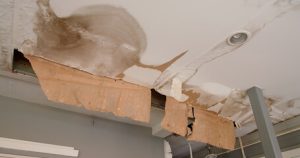
Drywall, insulation, wood framing, carpeting, and flooring materials can absorb moisture within minutes. As water continues to migrate through a structure, it may weaken building components, damage electrical systems, and create conditions that encourage mold growth.

The longer water remains in a property, the greater the risk of:

  1. Structural deterioration.
  2. Mold and mildew development.
  3. Damage to personal belongings.
  4. Indoor air quality concerns.
  5. Increased restoration costs.
  6. Long-term maintenance issues.

Because of these risks, professional restoration focuses on rapid response and thorough moisture removal.

The First Step: Emergency Response and Assessment

The water damage restoration process begins with an emergency response and detailed property assessment. Restoration professionals arrive on-site to evaluate the extent of the damage and determine the most effective course of action.

During this stage, technicians identify the source of the water intrusion and assess how far the moisture has spread. Specialized moisture meters, infrared cameras, and other diagnostic tools help locate hidden water behind walls, beneath flooring, and within structural components.

The assessment also allows restoration teams to categorize the severity of the damage and develop a restoration plan tailored to the property’s specific needs.

A comprehensive evaluation is critical because water often travels to areas that may not show visible signs of damage immediately.

Identifying and Stopping the Water Source

Before restoration can proceed, the source of the water intrusion must be identified and addressed. Failing to stop the water source can result in ongoing damage and undermine restoration efforts.

Depending on the situation, this may involve repairing plumbing leaks, addressing roof damage, fixing appliance malfunctions, or implementing temporary measures to prevent additional water entry.

Restoration professionals often work alongside other specialists when repairs are necessary to eliminate the source of the problem.

Once the water source has been controlled, technicians can focus on removing existing water and beginning the drying process.

Water Extraction and Removal

One of the most important stages of water damage restoration is water extraction. Standing water must be removed as quickly as possible to minimize damage and prevent further absorption into building materials.

Professional restoration teams use powerful extraction equipment designed to remove large volumes of water efficiently. Depending on the extent of flooding, various extraction methods may be employed to remove water from flooring, carpets, crawl spaces, and other affected areas.

Rapid water removal offers several important benefits:

  1. Reduces structural damage.
  2. Limits moisture absorption.
  3. Accelerates drying times.
  4. Minimizes mold risks.
  5. Protects salvageable materials.
  6. Reduces overall restoration costs.

The sooner water extraction begins, the better the chances of preserving building materials and personal belongings.

Moisture Detection and Mapping

After visible water has been removed, restoration professionals conduct a detailed moisture inspection. This step is essential because hidden moisture often remains trapped within building materials even after standing water is gone.

Moisture mapping involves identifying affected areas and documenting moisture levels throughout the property. Technicians use specialized instruments to detect moisture behind walls, under flooring, within ceilings, and inside structural cavities.

This process helps restoration teams determine the full scope of drying required and ensures that no hidden moisture pockets are overlooked.

Accurate moisture mapping plays a critical role in preventing future issues such as mold growth and structural decay.

Structural Drying and Dehumidification

Once moisture has been identified, the drying process begins. Drying is one of the most time-intensive stages of water damage restoration and often requires several days, depending on the severity of the damage.

Industrial-grade air movers and dehumidifiers are strategically placed throughout the affected areas to accelerate evaporation and remove excess moisture from the air. These machines work together to create optimal drying conditions and reduce humidity levels.

The drying process is carefully monitored to ensure that moisture levels continue to decrease. Technicians regularly inspect affected materials and adjust equipment placement as needed to maximize efficiency.

Proper drying is crucial because even small amounts of residual moisture can contribute to mold growth and material deterioration over time.

Cleaning and Sanitization

Water damage often introduces contaminants into a property, particularly when the water originates from sources other than clean supply lines. As a result, cleaning and sanitization are important components of the restoration process.

Affected surfaces, furnishings, and belongings are cleaned using specialized products designed to remove dirt, bacteria, and other contaminants. Antimicrobial treatments may also be applied to help reduce the risk of mold and microbial growth.

Cleaning efforts often focus on:

  1. Floors and carpeting.
  2. Walls and ceilings.
  3. Furniture and upholstery.
  4. Personal belongings.
  5. Structural components.
  6. High-touch surfaces.

Thorough cleaning not only restores appearance but also helps create a healthier indoor environment.

Mold Prevention Measures

One of the primary goals of water damage restoration is preventing mold growth. Mold can begin developing within a relatively short period when moisture remains present in building materials.

Restoration professionals take proactive steps to reduce this risk by removing moisture, improving airflow, and applying preventative treatments when necessary.

Monitoring moisture levels throughout the drying process ensures that materials reach appropriate dryness standards before restoration is considered complete.

Mold prevention is particularly important because mold remediation can significantly increase the cost and complexity of recovery efforts if moisture issues are not addressed properly.

Salvaging and Restoring Belongings

Water damage does not necessarily mean that all affected belongings must be discarded. Many items can be restored through specialized cleaning, drying, and recovery techniques.

Furniture, documents, electronics, textiles, and other possessions may be salvageable depending on the severity of the damage and the speed of response.

Restoration professionals evaluate each item individually and determine whether restoration is practical and cost-effective.

Saving valuable belongings provides both financial and emotional benefits while reducing replacement costs for property owners.

Repairs and Reconstruction

Once drying and cleaning have been completed, attention turns to repairing damaged materials and restoring the property to its pre-loss condition.

The scope of repairs depends on the extent of the damage. Minor projects may involve replacing sections of drywall, repainting surfaces, or repairing flooring. More extensive damage may require reconstruction of walls, ceilings, insulation, cabinetry, or structural components.

Common restoration repairs include:

  1. Drywall replacement.
  2. Flooring repairs.
  3. Ceiling restoration.
  4. Insulation replacement.
  5. Painting and finishing work.
  6. Structural reconstruction.

The goal is to restore both the appearance and functionality of the property while ensuring long-term durability.

Monitoring Progress Throughout the Restoration Process

Successful water damage restoration relies on ongoing monitoring and documentation. Restoration professionals regularly measure moisture levels and inspect drying equipment performance throughout the project.

These evaluations help verify that affected materials are drying properly and allow technicians to make adjustments if necessary.

Continuous monitoring also provides documentation that may be useful for insurance claims and future property records.

By tracking progress carefully, restoration teams can ensure that no hidden moisture remains before completing the project.

The Importance of Professional Restoration

Some property owners attempt to handle water damage cleanup independently, particularly when the damage appears minor. While small spills may be manageable, larger water intrusion events often require professional expertise and equipment.

Professional restoration teams have access to advanced moisture detection tools, industrial drying systems, and specialized training that allow them to identify and address hidden damage effectively.

Without professional intervention, property owners may overlook moisture trapped within walls, flooring systems, or structural components. These hidden issues can eventually lead to mold growth, wood rot, and costly repairs.

Investing in professional restoration often saves money in the long run by preventing secondary damage and ensuring thorough recovery.

Benefits of Fast Action

One of the most important lessons property owners can learn about water damage restoration is the value of acting quickly. Water damage becomes more severe with every passing hour, making a rapid response essential.

Prompt action can:

  1. Reduce restoration costs.
  2. Minimize structural damage.
  3. Protect personal belongings.
  4. Prevent mold growth.
  5. Shorten restoration timelines.
  6. Improve overall recovery outcomes.

The sooner restoration begins, the greater the likelihood of preserving materials and avoiding extensive repairs.

So, how does water damage restoration work? It is a comprehensive process that begins with emergency assessment and water extraction, followed by moisture detection, structural drying, cleaning, sanitization, repairs, and final restoration. Each stage is designed to address both visible and hidden damage while protecting the property from long-term complications.

Water damage restoration is about more than removing water. It involves restoring safety, preserving structural integrity, preventing mold growth, and returning a property to a comfortable and functional condition. Professional restoration teams use specialized equipment and proven techniques to ensure that every aspect of the recovery process is handled thoroughly and effectively.

For property owners facing water-related damage, understanding the restoration process can provide peace of mind and help guide important decisions. By responding quickly and working with qualified restoration professionals, it is possible to minimize damage, protect valuable assets, and restore a property successfully after even the most challenging water intrusion events.

Air Duct Cleaning: Why Your HVAC System Deserves More Attention Than You Think

When homeowners think about maintaining their property, they often focus on visible areas such as flooring, roofing, landscaping, appliances, and interior finishes. While these components certainly play an important role in a home’s appearance and functionality, one of the most essential systems is often overlooked because it remains largely hidden from view. The heating, ventilation, and air conditioning system works behind the scenes every day to regulate indoor temperatures, maintain comfort, and support air circulation throughout the property. At the heart of this system lies a network of air ducts that quietly distributes conditioned air to every room.

air duct

Because air ducts are concealed within walls, ceilings, attics, and crawl spaces, many property owners rarely think about them unless a problem arises. However, these passageways can accumulate dust, debris, allergens, and other contaminants over time. As the HVAC system continuously circulates air throughout the property, the condition of the ductwork can have a direct impact on indoor air quality, system efficiency, and overall comfort. This is why Air Duct Cleaning Utah has become an increasingly important aspect of home maintenance. Although it may not receive as much attention as other household projects, keeping ductwork clean can contribute significantly to a healthier and more efficient living environment.

Understanding the Role of Air Ducts

Air ducts serve as the transportation network for conditioned air within a property. When the HVAC system heats or cools the air, the ductwork distributes that air to various rooms and living spaces. At the same time, return ducts draw air back into the system so it can be filtered, conditioned, and recirculated.

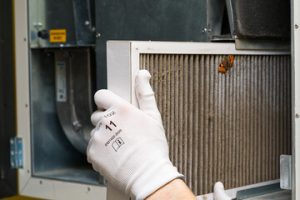
This process occurs countless times throughout the day. Every cycle moves air through the duct system, carrying not only temperature-controlled air but also microscopic particles that may be present indoors. Dust, pet dander, pollen, lint, and other airborne materials can gradually settle within the ductwork. While some particles are captured by air filters, others may accumulate over time, particularly if maintenance has been inconsistent or filtration systems are not functioning optimally.

Because ductwork serves as a critical pathway for airflow, its condition can influence how effectively the entire HVAC system performs. Clean ducts support efficient airflow, while heavily contaminated ducts may contribute to reduced performance and indoor air quality concerns.

Why Air Duct Cleaning Matters

Many people underestimate the importance of air duct cleaning because the buildup inside ducts is not immediately visible. However, hidden accumulation can affect multiple aspects of a property’s indoor environment.

Over time, contaminants within the duct system can be redistributed throughout the home whenever the HVAC system operates. While not every property requires frequent duct cleaning, neglecting the system for extended periods can allow debris to accumulate to levels that may impact comfort and cleanliness.

Air duct cleaning helps remove materials that have settled within the system, creating a cleaner environment for airflow. This process can be particularly beneficial in homes where occupants are sensitive to airborne particles or where significant dust accumulation is present.

In addition to supporting cleaner indoor air, duct cleaning may also help improve system performance by reducing restrictions that interfere with proper airflow. When air moves more freely through the system, HVAC components can often operate more efficiently.

Indoor Air Quality and Household Health

Indoor air quality has become an increasingly important topic as people spend a significant portion of their time inside homes and buildings. The quality of the air circulating through a property can influence comfort, cleanliness, and overall well-being.

When dust and debris accumulate within ductwork, some of these particles may be recirculated into living spaces. While modern filtration systems capture many contaminants, no filter is perfect. As a result, keeping ductwork clean can be an important component of a comprehensive indoor air quality strategy.

Several common indoor pollutants can accumulate within duct systems, including:

  1. Dust and dirt particles.
  2. Pet hair and pet dander.
  3. Pollen introduced from outdoor environments.
  4. Lint and textile fibers.
  5. Construction and renovation debris.
  6. Various airborne allergens.

For households that include young children, older adults, or individuals with respiratory sensitivities, maintaining cleaner air circulation may be especially beneficial. Although air duct cleaning is not a cure-all solution for indoor air quality issues, it can play a valuable supporting role when combined with proper filtration and routine HVAC maintenance.

Improved HVAC Efficiency

One of the most compelling reasons to pay attention to air duct maintenance is its potential impact on HVAC efficiency. Heating and cooling systems rely on unrestricted airflow to perform effectively. When airflow is compromised, the system may need to work harder to achieve desired temperature levels.

Excessive debris accumulation within ductwork can contribute to airflow resistance. Although duct contamination is not the sole cause of efficiency problems, it can be one of several factors that affect system performance over time.

A clean duct system allows conditioned air to travel more freely throughout the property. This can help support balanced airflow, consistent temperatures, and smoother system operation. While energy savings vary depending on the property’s condition, maintaining clean ducts can complement other efficiency-focused maintenance practices.

Property owners who invest in HVAC maintenance often focus on filter replacement, thermostat upgrades, and equipment inspections. Air duct cleaning deserves consideration as part of that broader strategy because airflow plays such a critical role in overall system performance.

Signs That Air Duct Cleaning May Be Needed

Not every property requires duct cleaning on a fixed schedule. However, certain indicators may suggest that the system deserves closer attention.

Some common signs include:

  1. Visible dust accumulation around air vents.
  2. Increased dust levels throughout the property despite regular cleaning.
  3. Musty or unusual odors when the HVAC system operates.
  4. Recent remodeling or construction work.
  5. Evidence of debris within visible portions of the duct system.
  6. Inconsistent airflow between rooms.

These signs do not automatically indicate severe contamination, but they can suggest that an inspection may be worthwhile. A professional evaluation can help determine whether cleaning would be beneficial based on the condition of the ductwork.

The Impact of Renovation and Construction Projects

Home renovation projects often generate large amounts of dust and debris, even when protective measures are used. Drywall particles, sawdust, insulation fibers, and other construction materials can find their way into HVAC systems during remodeling activities.

Once these materials enter the ductwork, they may continue circulating throughout the property long after the project has been completed. This is one reason air duct cleaning is frequently recommended following major renovations.

Property owners who have recently completed remodeling work may notice increased dust levels despite regular housekeeping efforts. In many cases, cleaning the duct system can help remove residual construction-related contaminants and restore cleaner airflow.

Air Duct Cleaning and Odor Reduction

Persistent indoor odors can sometimes be traced to HVAC systems and ductwork. Dust accumulation, moisture issues, and trapped debris may contribute to unpleasant smells that circulate whenever the system operates.

While air fresheners and odor-control products may temporarily mask the problem, they do not address the underlying source. If contaminants within the duct system are contributing to odors, professional cleaning may help reduce these recurring smells.

It is important to note that odor issues can also originate from other HVAC components, including filters, coils, insulation materials, and moisture-related problems. A thorough inspection can help identify the specific cause and determine the most effective solution.

The Importance of Professional Cleaning Techniques

Air duct cleaning involves much more than simply vacuuming visible vents. Professional cleaning services typically use specialized equipment designed to remove contaminants from the entire duct system.

This process may include powerful vacuum systems, agitation tools, brushes, and compressed-air devices that dislodge debris from interior duct surfaces. Proper cleaning targets both supply and return ducts while addressing other system components as needed.

Attempting to clean extensive duct systems without appropriate equipment can be difficult and may fail to remove deeper accumulations. Professional methods are designed to access areas that are otherwise difficult to reach while minimizing the release of contaminants into living spaces.

Air Duct Cleaning as Part of a Complete Maintenance Plan

Although air duct cleaning can provide valuable benefits, it should not be viewed as a standalone solution. The most effective HVAC maintenance strategy involves multiple components working together to support efficiency and indoor air quality.

A comprehensive maintenance approach typically includes:

  1. Regular filter replacement.
  2. Routine HVAC inspections.
  3. Cleaning of system components.
  4. Sealing of duct leaks when necessary.
  5. Monitoring airflow performance.
  6. Addressing moisture problems promptly.

When combined with these practices, air duct cleaning can contribute to a cleaner, healthier, and more efficient home environment.

Long-Term Benefits for Property Owners

Investing in HVAC maintenance often produces benefits that extend well beyond immediate comfort. A properly maintained system may experience less strain, operate more efficiently, and provide more consistent performance throughout its lifespan.

Clean ductwork can support these outcomes by promoting better airflow and reducing the circulation of accumulated debris. Property owners who prioritize preventive maintenance often find that small investments made today can help reduce larger repair expenses in the future.

Additionally, maintaining a clean HVAC system can contribute to a more pleasant indoor environment. Reduced dust levels, improved airflow, and cleaner circulation are advantages that many homeowners appreciate once maintenance has been completed.

Conclusion

Air duct cleaning is one of the most overlooked aspects of home maintenance, yet it can have a meaningful impact on indoor air quality, HVAC efficiency, and overall comfort. Because ductwork remains hidden behind walls and ceilings, it is easy to forget that these passages continuously transport air throughout the property. Over time, dust, debris, allergens, and other contaminants can accumulate within the system, potentially affecting both performance and cleanliness.

By understanding the role of air ducts and recognizing the signs that cleaning may be beneficial, property owners can make more informed decisions about HVAC maintenance. When combined with regular inspections, filter replacements, and preventive care, professional air duct cleaning can help create a healthier indoor environment while supporting the long-term performance of the heating and cooling system. Giving your HVAC system the attention it deserves is not simply about maintenance—it is an investment in comfort, efficiency, and the overall quality of your living space.

Navigation